
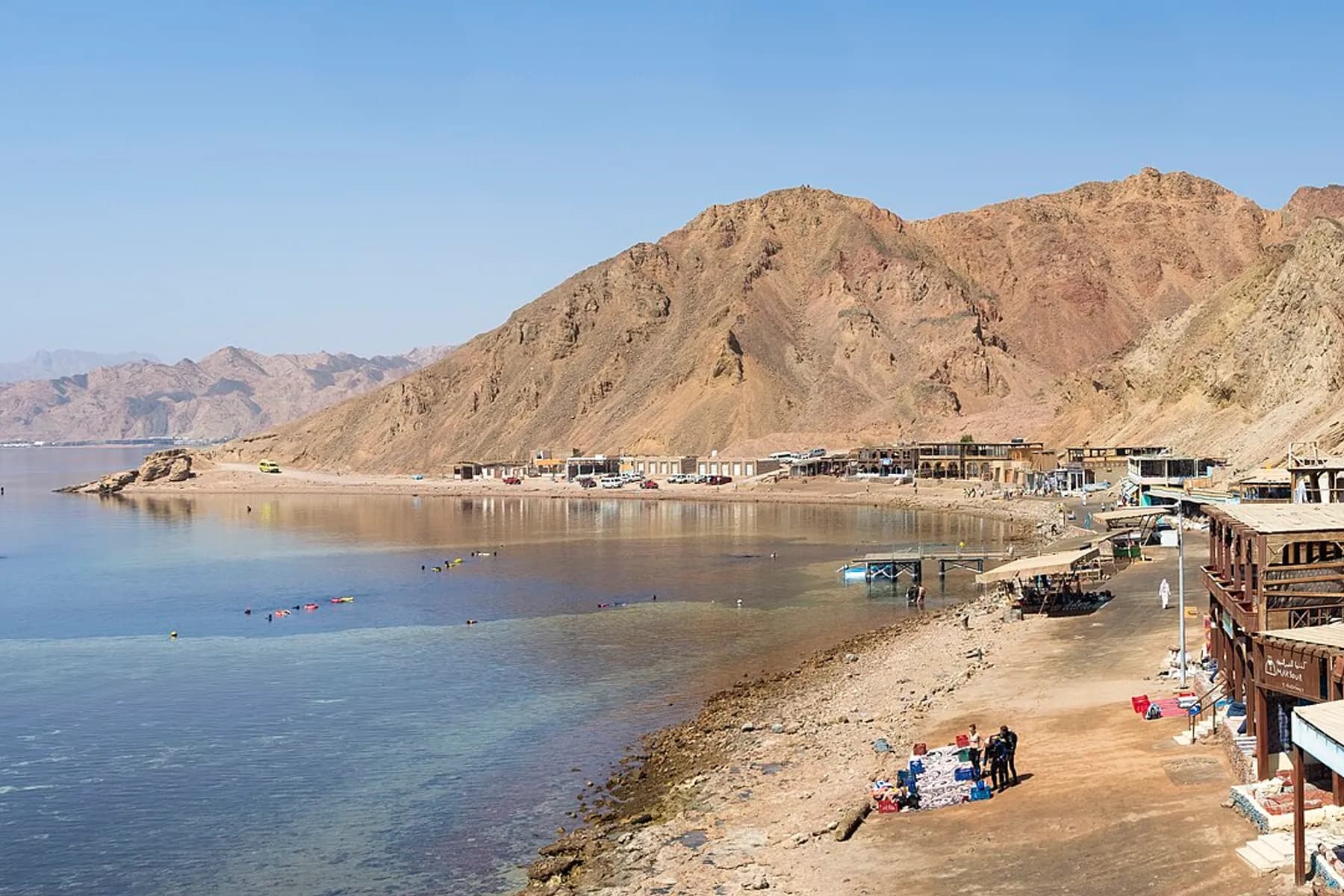
Destination overview
Is Dahab a good place for digital nomads?
Dahab is a diving beach option for digital nomads in Egypt, with an estimated independent monthly budget of about $850. Its strongest advantages are Red Sea access, diving and exceptional value. The main trade-offs are slower internet and a limited corporate ecosystem.
Useful numbers before you go
Affordable: $500 · Mid-range: $850 · Comfortable: $1,400 · Luxury: $2,500
Remote-work reliability score
Feels like 27°C · 34% humidity · 9 km/h wind
Safety and day-to-day confidence
Accommodation value score
Blended destination score
Choose your lifestyle
Four monthly budgets for Dahab
Estimates for one remote worker, including furnished accommodation, food, transport, connectivity and normal leisure. Mid-range is highlighted as the most representative option for planning a stay.
2026 planning estimates cross-checked with Nomads.com (Nomad List), Numbeo, Settled Nomad, Nomad Entry and local accommodation/coworking listings. Actual spending varies by season, neighbourhood and lifestyle.
Work map
Where to work in Dahab
Coworking spaces and laptop-friendly cafes selected for a productive day.
Gallery
Photos from Dahab
Community notes
What nomads say
Share a practical tip, recent stay or question about this destination.
Sign in to add a comment and help the community.
Why digital nomads choose Dahab
Dahab appeals to remote workers because of Red Sea access, diving and exceptional value. It is best approached as a real city rather than a short holiday stop: choose a neighbourhood that fits your working hours, test the internet before signing a long lease and keep room in the budget for coworking or backup connectivity.
Best areas to stay
The most practical areas to compare are Lighthouse, Mashraba and Assalah. They offer different balances of walkability, cafes, nightlife, quiet streets and access to transport. Book a short first stay before committing, because traffic, noise and building quality can vary significantly within the same district.
Cost and accommodation
A realistic 2026 planning budget is around $850 per month for one remote worker. That estimate combines a furnished rental, food, local transport, mobile data, occasional coworking and normal leisure spending. Short bookings and peak seasons can cost materially more, while slower travel and local leases can reduce the total.
Internet and remote work
We rate the destination at 72/100 for internet and remote-work practicality. Fibre and mobile coverage are strongest in central residential and business districts. Always request a recent speed test from a host and keep an eSIM or local mobile plan as a backup for calls.
Climate and daily life
Dahab has a hot desert coast climate. Daily life is shaped by slower internet and a limited corporate ecosystem. Safety is scored 76/100 as a broad planning indicator, not a guarantee; neighbourhood choice, arrival time and local advice remain more useful than a city-wide number.
Who it suits
Dahab is a strong match for nomads prioritising Red Sea access, diving and exceptional value. It may be a weaker fit if you are especially sensitive to slower internet and a limited corporate ecosystem. Compare it with other destinations in the same budget band before deciding.
Sources and methodology
This guide was prepared for 2026 using current destination comparisons from Nomads.com, cross-checks against Numbeo, official destination information and recent remote-worker reports. Costs are editorial estimates, not live quotes.